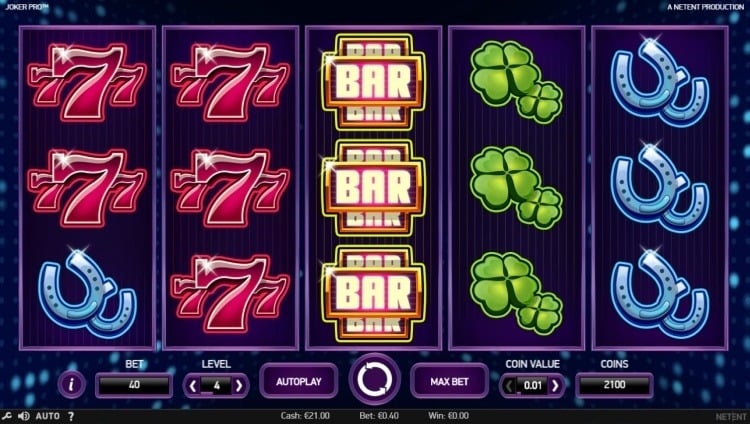
We have invested countless hours examining the framework of modern slot games, and we consistently revert to a single, irrefutable truth: the most exceptional mathematical models and breathtaking visual effects mean nothing if the player cannot navigate around the interface. In our evaluation of King Kong Splash Slot, the navigational design does not merely operate as a background utility; it stands out as the primary reason for sustained engagement. We witnessed a fluidity that eliminates the cognitive friction commonly associated with complex betting configurations. The developers have clearly prioritized a layout where every control appears exactly where our instincts anticipate it to be, creating an immediate sense of mastery from the very first spin.
The Payout Table and Information Accessibility
Clarity is a foundation of trust, and we found the information architecture here to be remarkably clear. Accessing the paytable does not launch a different, slow-loading PDF or a complex multi-page wizard. Instead, a seamless overlay moves into display, displaying symbol payouts and payline layouts with crisp, high-definition clarity. We could smoothly swipe through game rules, and the game retained our spot if we exited the panel in the middle. The wording used is concise, steering clear of legalese where straightforward explanations are enough. Critically, live numbers within the paytable change in immediately to show our active wager multiplier. This real-time updating erases the mental arithmetic that often plagues slot play, allowing us to instantly grasp the exact cash value of every potential combination we are pursuing.
Layout Architecture and Spatial Balance
When we first loaded the game, the spatial arrangement of elements struck us as exceptionally balanced. The reels occupy the center stage with an authoritative presence, yet they do not bully the adjacent elements into obscurity. We saw a refined application of empty space that encloses the action without causing the screen feel empty. The command console is positioned to the bottom edge with a substantial, tactile appearance that resembles real casino buttons. This spatial balance ensures that our digits, on handhelds, never overstretch, and our mouse cursors, on desktop, cover small distances. The transparency settings of the pop-up menus are adjusted perfectly, letting us to change settings while maintaining a fuzzy visual link to the reels turning behind the overlay layer.
The Centralized Command Hub

We discover that many rival slots disperse their dynamic elements across differing corners of the screen, forcing a hectic visual search. Here, the command hub functions on a tenet of radial focus. The spin button, by far the most frequently used element, is not just more substantial but is placed in a zone of natural thumb rest. Surrounding it, we discover the autoplay and bet setup options radiating outward in a rational hierarchy of usage. This arrangement diminishes detailed motor fatigue during lengthy sessions. We especially admire that the developers avoided the impulse to conceal secondary features like the turbo mode behind embedded menus; these are accessible within the hub’s direct vicinity, accepting that speed control is a central navigational requirement, not an afterthought consideration.
Visual Weight and Button Indicators
In our dissection of the design, we found that the on-screen signifiers adhere rigorously to standard global gaming norms. Buttons appear pressable; sliders appear draggable. There is a pleasing skeuomorphic depth to the elements, with delicate gradients that attract the illumination, encouraging use. We seldom needed to wonder whether an item was cosmetic or practical. The distinction is achieved through difference levels and a consistent shading vocabulary that raises active panels above fixed backdrops. When a option is made, the physical feedback is prompt, with a brief light burst that confirms the input without jarring us out of the playing rhythm. This distinct expression of usability is a masterclass in lowering the learning process to complete zero.
Wager Configuration and Bet Configuration Logic
We have encountered many slots where modifying a stake feels like defusing a bomb, with unclear coin values and level multipliers. The setup logic here is a welcome change. We appreciated the unidirectional slider that slides seamlessly from lowest to largest stake, paired with a visible numerical display of the total wager. There are no hidden sub-menus for coin sizes that inadvertently reset our choices. The platform offers a distinct visual divider between lower, middle, and high-stakes zones on the wager spectrum. We also noticed the smart safety prompts; if we attempt to spin with a considerably higher stake, a gentle, non-intrusive confirmation glow shows up, serving as a guardian against accidental high-value wagers without breaking the momentum of the session.
Audiovisual Feedback as a Directional Guide
We seldom discuss sound in the realm of navigation, but here it acts as a vital orienting tool. The interface uses a distinct, multi-layered audio profile for different action classes. A soft, upward chime indicates a bet boost, while a deeper, more sonorous click secures the spin. These aural cues deliver assurance without forcing us to look away from the reels. When we enter a bonus feature, the entire soundscape changes, signaling a modal change in the game state in terms of navigation before we even handle the visual shift. This multi-sensory bolstering is essential for players who depend on rhythm. The visual feedback is likewise accurate; winning lines are highlighted with orientation-based pulses that trace the payline path, teaching us the structure of the game solely through celebratory animation.
Automatic play and Enhanced Session Management
For those of us who prefer a more objective observation style, the enhanced session management tools are a interface triumph kingkongsplash.co.uk. The autoplay configuration panel is a example of clear grouping. We discovered loss limits, single win limits, and spin counts separated into distinct visual cards, avoiding the confusion of combining financial controls with mechanical ones. Toggling these limits seems robust, with clear on/off states that leave no ambiguity. We especially valued the real-time session tracker that subtly ticks down remaining spins or displays current loss thresholds without encroaching on the main reel area. This allows us to keep a disciplined approach to bankroll management while the base game navigation continues to function with the same smooth responsiveness.
Clutter-Free Engagement and Overlay Visibility
We are uniquely responsive to layouts that shout for attention with glaring promotions and pop-up buy propositions. The design here promotes subtlety. Alerts for accomplishments or credit adjustments glide in from the periphery with a gentle dim, delivering data without disrupting the play level. The maximized mode is genuinely full-screen, concealing application chrome and system trays to create a independent environment. When we viewed the gaming regulations or log, the layer kept a deep opacity base, efficiently shading the reels to move the data forward in our sight structure. This control of sight depth assures that when we are navigating the options, we are not diverted by the play, and when we are playing, we are not harassed by the configurations.
In summing up our thorough analysis, we find that the browsing system of this game is its silent standout element. Every slide, tap, and tap feels premeditated to cater to the gambler’s comfort and quickness. The layout does not just allow play; it positively improves the thematic excitement by eliminating every conceivable obstacle between the user and the primal roar of the upcoming major jackpot. It stands as a reference for how intentional layout and reactive reaction can transform a simple slot round into a seamless exemplar of user journey.
Loading Speed of the Game and Persistence of State
Moving through the game commences well before the spinning reels show up; it begins with the loading screen. We measured the initial boot sequence and determined it fine-tuned to near-instantaneous readiness on a steady connection. The non-existence of aggressive, non-skippable splash screens means we shift from intent to play in mere seconds. More significantly, the slot game exhibits superb state persistence. If connectivity wavers, the interface recovers smoothly, returning our specific bet configuration and game status without resetting to factory defaults. We not once needed to re-traverse the bet settings after a short interruption. This reliability is a quiet, strong element of smart design; it honors our prior selections and erases the repeated hassle of re-setting, keeping the path back to the gameplay as brief as feasible.
Handheld Adaptability and Tap Tuning
We thoroughly tested the game through multiple monitor sizes, and the adaptive arrangement is truly remarkable. Rather than merely reducing the desktop interface, the position transitions to a upright enhanced column that acknowledges the ergonomics of single-hand gaming. We observed that key tap targets rarely fall below the recommended 48-pixel limit, avoiding the irritation of mistaps during high-risk extra stages. The flick gestures feel native to the device, not added on. When we turned our screens, the reflow of elements was prompt, with zero arrangement breaking or content truncation. This dedication to flexible framework confirms that the mobile experience was the main plan, not an afterthought, ensuring that movement stays natural regardless of the tool in our grip.

The idea of Smooth User Experience
We think that superior game design is hidden. When we critique a slot, we actively look for moments of hesitation, those micro-pauses where the brain fumbles to identify the play button or the pay table. In this title, those moments are entirely absent. The creative approach tends to center around a round eye-tracking pattern, directing our gaze naturally from the reels to the wager adjuster and back without needing secondary hunting. This is not an accident; it is a deliberate avoidance of messy gaming interfaces. By eliminating visual clutter and emphasizing tactile-like visual feedback, the studio has built an space where the player’s focus state remains uninterrupted, enabling us to concentrate solely on the increasing excitement of the giant ape’s feature activations.