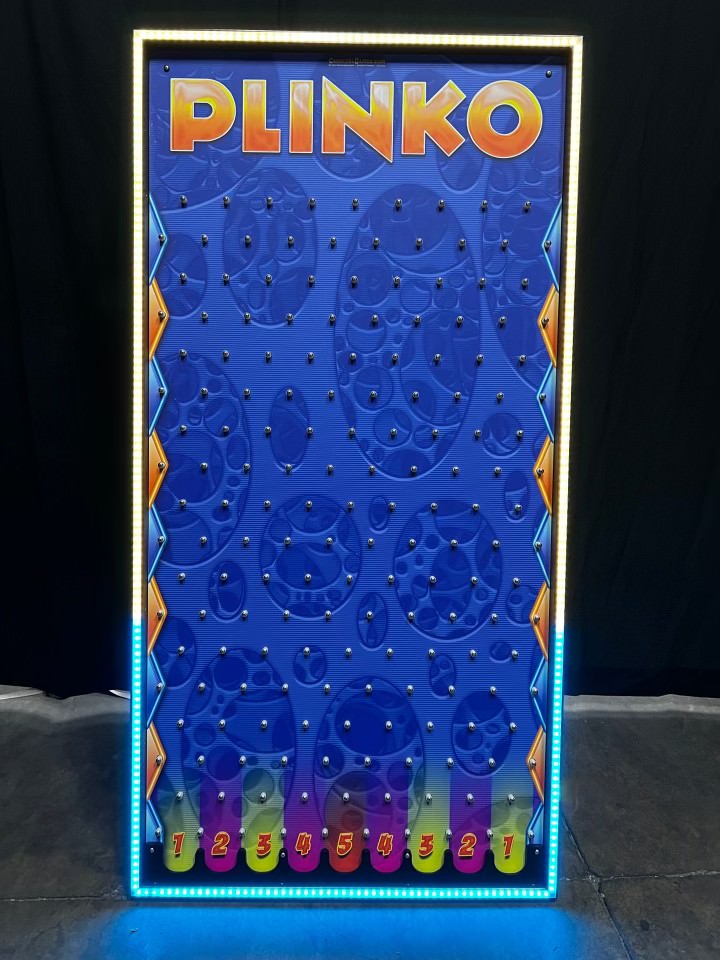
Innovative Plinko Peg Arrangements for a New Game Experience
Plinko has gained considerable popularity as a game of chance, thanks to its simple yet engaging mechanics. Players drop a disc down a board filled with pegs, navigating through a maze of obstacles before reaching the bottom to win prizes. The arrangement of these pegs significantly influences the game’s outcome, making it essential for players and developers to understand different configurations to enhance game play. For more insights, check out Plinko Peg Arrangement For New Players https://plinko-casino-game.co.nz/.
Understanding Plinko Peg Arrangements
The peg arrangement in Plinko is more than just a random layout; it’s a crucial element that can determine the game’s dynamics. While traditional Plinko boards feature a symmetrical design, innovative designs can introduce asymmetry and various patterns that affect gameplay in exciting ways.
The Role of Peg Placement
Peg placement is vital in controlling the ball’s trajectory. Each peg acts as an obstacle that redirects the ball’s descent based on the angle of impact. By altering the position of the pegs, game designers can create different pathways for the ball to take, resulting in a variety of outcomes.
Exploring Different Arrangement Patterns
There are several peg arrangement patterns that can enhance gameplay, each offering unique advantages and challenges:
- Symmetrical Arrangement: This traditional approach creates a balanced playing field where players rely on chance to dictate the outcome. It is straightforward and easy for players to understand.
- Asymmetrical Arrangement: Adding irregularities to the layout can introduce unpredictability. Players must adjust their strategies based on how the pegs are placed, leading to a more dynamic gameplay experience.
- Clustered Pegs: Grouping pegs together can create narrow passages for the ball, increasing the likelihood of ricocheting off the sides. This arrangement encourages players to strategize where to drop the disc for optimal results.
- Open Spaces: Incorporating larger gaps between some pegs can allow for straight shots and a greater chance of landing in high-value slots, making the game more exciting.
- Randomized Patterns: For the ultimate surprise, employing random peg placements for each game session can keep players coming back for more, as no two games are the same.
Design Considerations for Peg Arrangement
Creating an engaging peg arrangement requires a careful balance between chance and skill. Here are several factors to consider when designing a Plinko board:

1. Game Balance
The arrangement must offer opportunities for both high rewards and lower-risk outcomes. This balance ensures that all players, whether novice or experienced, feel engaged with the game.
2. Visual Appeal
An aesthetically pleasing design can draw players in. A well-designed peg arrangement can enhance the overall look of the game, making it more attractive and fun to play.
3. Player Engagement
Incorporating various peg arrangements should aim to engage players at a deeper level. This can be achieved through challenging layouts or providing visual cues that promote strategic decision-making.
Utilizing Technology in Peg Design
As technology advances, so too does the potential for innovative peg arrangements. Virtual platforms allow for dynamic changes in real-time, adapting to player preferences and strategies. Developers can test different arrangements virtually, analyzing how each one affects gameplay and player satisfaction.
Game Analytics
Data analytics can provide valuable insights into how different peg placements impact player success rates and engagement. Tracking the paths that players’ discs take can inform future designs, ensuring they remain entertaining and fair.
Strategies for Players
A better understanding of peg arrangements can help players develop winning strategies:
1. Observation
Players should observe how the discs bounce off the pegs in previous games. Noticing patterns can help in predicting the best drop points.
2. Experimentation
Trying different drop points can lead to discovering less-obvious strategies. Each peg arrangement may favor certain drop points, warranting a bit of trial and error.
3. Risk Assessment
Players must evaluate the risk versus reward for each drop. High-value slots may be tempting, but they often come with more difficult trajectories.
Conclusion
The arrangement of pegs in Plinko is integral to creating an engaging and enjoyable gaming experience. By exploring various arrangements and understanding how they influence gameplay, both developers and players can enhance their experience with this beloved game. As technology continues to advance, the possibilities for innovative peg designs are endless, promising exciting new game dynamics for years to come.