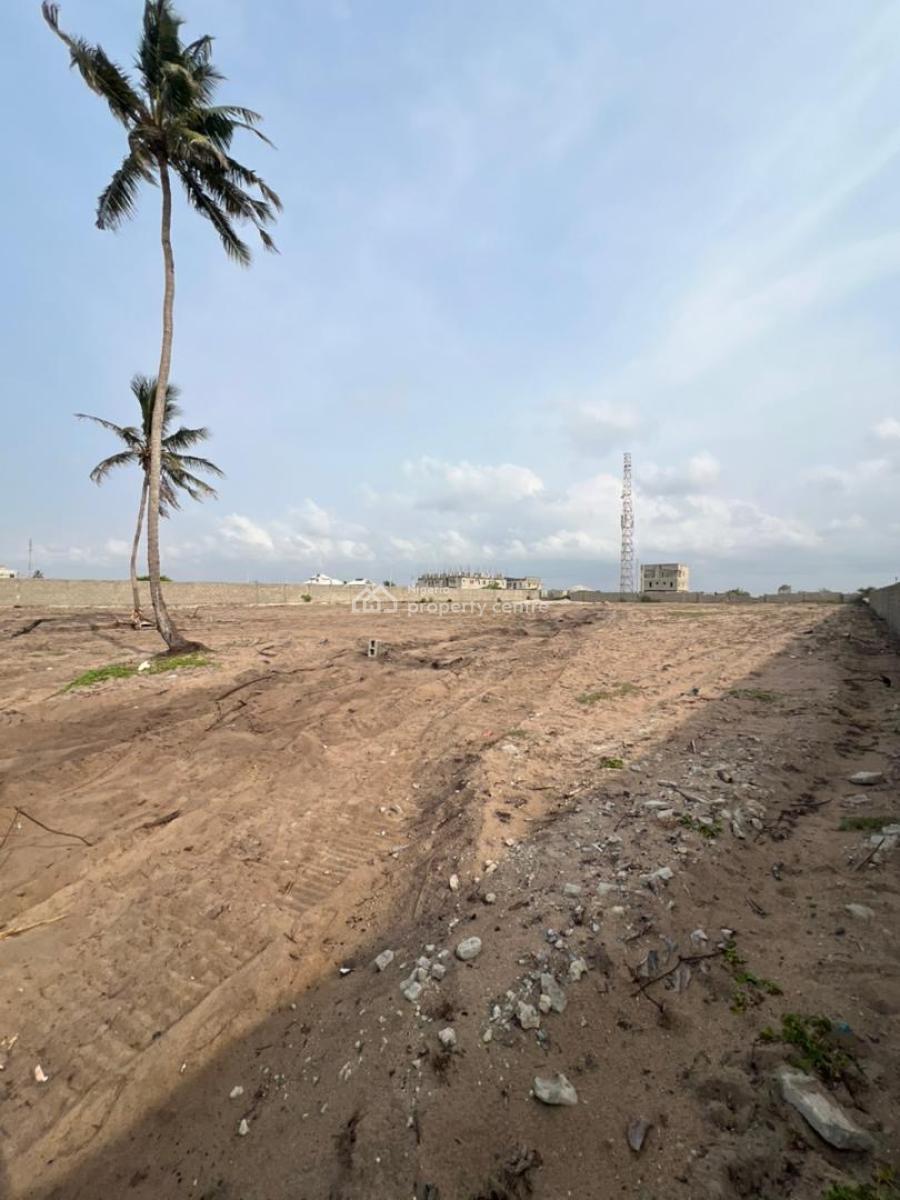
Your Ultimate Guide to Land for Sale: Find Your Perfect Property
Purchasing land is one of the most significant investments you can make. Whether you’re looking for a piece of land for your dream home, recreational purposes, or investment opportunities, it’s crucial to understand the various aspects involved in acquiring land. This guide will provide you with the essential information needed to navigate the land-buying process effectively. For more options, visit land for sale vanuatulandforsale.com/.
Why Invest in Land?
Investing in land is not only a means of securing your future but can also serve as a wise financial strategy. While real estate properties often accumulate depreciation due to wear and tear, land tends to appreciate over time. Moreover, owning land gives you the freedom to create a space tailored to your preferences, whether it’s for a home, agriculture, or commercial use.
Understanding Land Types
Before diving into the market, it’s crucial to understand the different types of land available for sale. Each type serves unique purposes, and knowing the right one for your needs is essential:

- Residential Land: Ideal for building homes, this type of land typically comes with zoning regulations that define the types of residences allowed.
- Agricultural Land: Used for farming or livestock, agricultural land may come with specific restrictions and requirements regarding crop production.
- Commercial Land: This kind of land is meant for business purposes, such as retail spaces, offices, and warehouses. Different zoning laws apply here compared to residential areas.
- Industrial Land: Usually located away from residential zones, industrial land accommodates factories and manufacturing plants.
- Raw Land: Often undeveloped and lacking infrastructure, raw land offers a blank canvas for various uses, but typically requires significant investment for development.
Researching the Market
Conducting thorough research is fundamental before purchasing land. This involves exploring various factors, including:
- Location: The location significantly dictates land value. Properties in sought-after areas generally appreciate faster than those in less desirable locations.
- Market Trends: Keeping track of market trends can help you identify the best times to buy. Look for areas on the rise to maximize your investment.
- Local Amenities: Check the proximity of the land to schools, hospitals, shopping centers,

and recreational facilities, which may impact its future value.
Legal Considerations
Understanding legal aspects related to land purchase is paramount. Some key legal considerations include:
- Zoning Laws: These laws dictate how you can use your land. Familiarize yourself with local zoning regulations to ensure your intended use complies with legal standards.
- Deed Restrictions: Some properties may come with restrictions that limit how you can develop or alter the land.
- Access Rights: Ensure the property has clear access to roads and doesn’t become landlocked.
- Environmental Regulations: Check for any environmental regulations that may affect land use, especially if it’s located near protected areas.
- Title Search: Conduct a title search to confirm the seller has the right to sell the property and to identify any liens or claims that may exist on the land.
Financing Your Land Purchase
Understanding the financing options available for land purchases can help you make informed decisions:
- Cash Purchase: If you have sufficient funds, buying land outright with cash can simplify the process and help avoid interest rates.
- Land Loans: Specific loans are available for purchasing land, but these typically come with higher interest rates than traditional home mortgages.
- Seller Financing: Some sellers may offer financing options directly, allowing you to make payments over time without going through a bank.
Selecting a Real Estate Agent
A knowledgeable real estate agent with expertise in land sales can be a valuable asset. Here’s what to consider when selecting an agent:
- Experience: Look for an agent with a solid track record in land transactions, particularly in the area you’re interested in.
- Local Knowledge: An agent familiar with local zoning laws and land values can guide you more effectively.
- Reputation: Check reviews and testimonials to assess the agent’s reputation in the market.
Buying Process Steps
Here’s a step-by-step guide on the land-buying process:
- Identify Your Needs: Determine the purpose of the land and your budget.
- Research: Conduct comprehensive research on the desired area, property types, and market trends.
- Engage an Agent: Choose a qualified real estate agent who can help in finding suitable properties.
- Visit Properties: Schedule visits to inspect the land before making an offer.
- Make an Offer: Work with your agent to submit a competitive offer based on market analysis.
- Due Diligence: Perform due diligence tasks, including title searches and inspections.
- Finalize the Purchase: Work with your attorney to close the deal and ensure all documentation is in order.
Conclusion
Purchasing land can be a rewarding endeavor if approached with careful planning and knowledge. Understanding different land types, conducting thorough research, obtaining legal clarity, and financing options are key to making a sound investment. With the right guidance and preparation, you can find the perfect piece of land tailored to your needs and aspirations.