Understanding the Vanuatu School System: Structure, Challenges, and Opportunities
The school system in Vanuatu is a blend of traditional practices and modern educational frameworks. To vanuatu school system learn about vanuatu education, it is essential to understand the historical and cultural contexts that shape its current state. Vanuatu, an archipelago in the South Pacific, comprises 83 islands, each with its own languages and customs, which significantly influence the educational landscape.
Overview of the Educational Structure
Vanuatu’s education system is divided into several stages: early childhood education, primary education, secondary education, and tertiary education. Each level serves a specific purpose and is crucial for the overall development of students.
Early Childhood Education
Early childhood education in Vanuatu typically focuses on children from the ages of 3 to 6. Although not universally accessible, it is becoming increasingly recognized as a vital part of the educational journey. Kindergartens and preschools often integrate local culture and language, helping children develop a sense of identity from a young age.
Primary Education
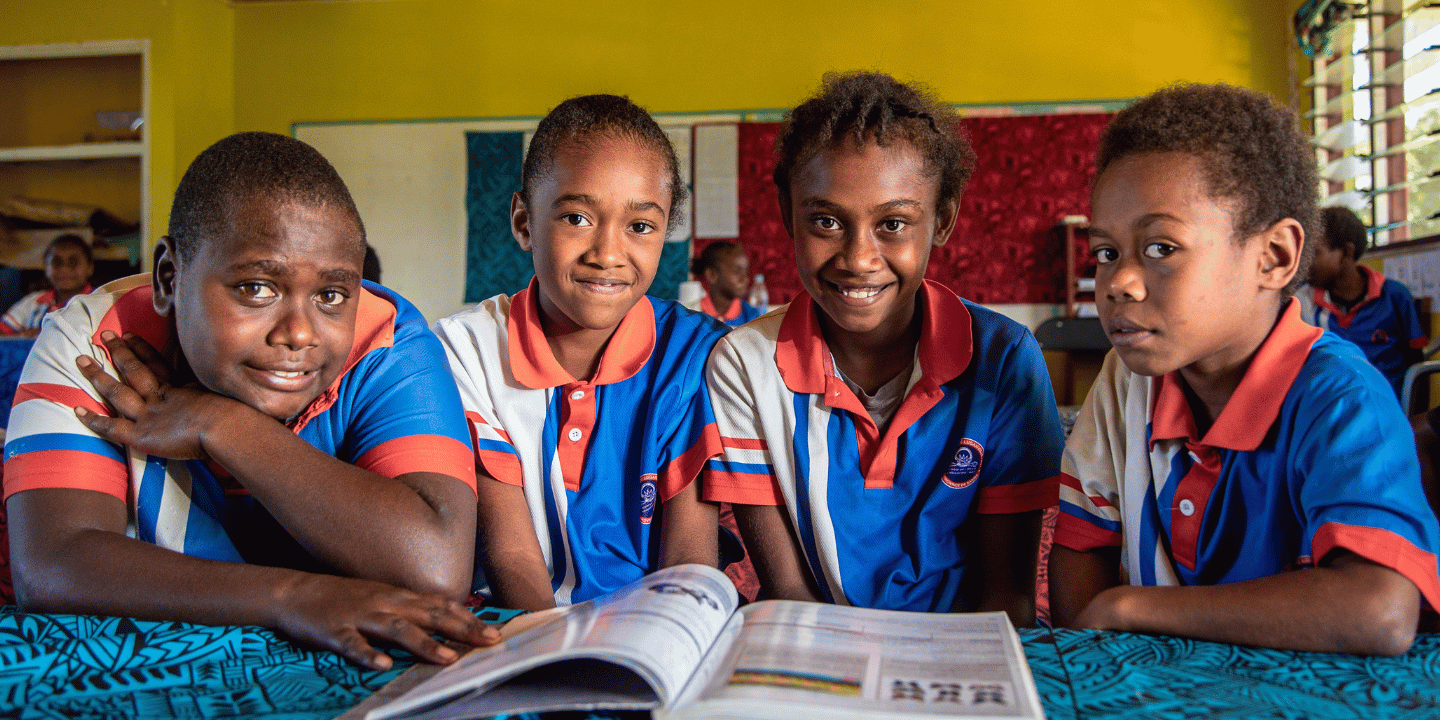
Primary education is compulsory for all children aged 6 to 14 years. It generally lasts for seven years and is characterized by a curriculum that aims to provide foundational skills in literacy, numeracy, and social studies. The language of instruction in most public primary schools is Bislama, with English and French being introduced as subjects later in the primary years.
Secondary Education
After completing primary school, students have the option to enroll in secondary school, which lasts for four years. Secondary education in Vanuatu is diverse, with schools offering varying curriculums based on resources and location. Students prepare for the External Examination, which determines their eligibility for further education or vocational training.
Tertiary Education
Tertiary education in Vanuatu includes colleges and universities that provide higher education opportunities. The University of the South Pacific (USP) has a campus in Vanuatu, offering various degree programs. However, access to quality tertiary education remains a challenge due to limited resources and geographic barriers.
Challenges Facing the Vanuatu School System
Despite the structured framework of the Vanuatu school system, several challenges hinder the effectiveness of education in the country.
Geographical Barriers
Vanuatu consists of multiple islands, and many students face significant logistical challenges in accessing schools. Remote communities often lack sufficient transportation options, which can hinder attendance and participation in educational programs.
Quality of Education
The quality of education varies significantly between urban and rural areas. Schools in urban regions often have more resources, trained teachers, and better facilities compared to those in rural areas. Teachers themselves may lack adequate training, which affects the quality of instruction.
Language Diversity
With over 100 languages spoken across Vanuatu, language diversity presents a unique challenge. While Bislama is the lingua franca and is used in schools, many students may be more comfortable in their mother tongues, affecting their ability to engage fully with the curriculum.
Opportunities for Improvement
To address these challenges, several initiatives and strategies can be implemented to improve the Vanuatu school system.
Community Involvement
Encouraging community involvement in schools can enhance educational outcomes. Parents and local leaders can play a role in supporting schools, providing resources, and promoting a culture of education within the community.
Teacher Training and Professional Development
Improving teacher training programs and providing ongoing professional development will allow educators to enhance their skills and adapt to the evolving educational needs of students.
Incorporating Local Culture and Languages
Integrating local culture and languages into the curriculum can make learning more relevant and engaging for students. This approach not only enriches education but also helps preserve Vanuatu’s rich cultural heritage.
Utilizing Technology
Leveraging technology in education can help bridge geographical barriers. Distance learning programs and online resources can provide access to quality educational materials and expertise that may not be available locally.
The Future of Education in Vanuatu
As Vanuatu continues to develop its educational policies, stakeholders must prioritize access, quality, and inclusivity. By addressing the existing challenges and seizing opportunities for improvement, Vanuatu can cultivate a more robust school system that empowers its youth for the future.
Education is the cornerstone of development, and in Vanuatu, it is both a privilege and a right. Investing in the educational system will not only benefit individuals but also the nation as a whole, fostering a brighter, more sustainable future for all ni-Vanuatu.
Conclusion
In conclusion, the Vanuatu school system is a work in progress that reflects the unique cultural and geographical context of the islands. Continuous efforts to enhance accessibility, quality, and cultural relevance will pave the way for a more effective educational landscape, ensuring that every child has the opportunity to thrive.