The Vanuatu School System: An Overview
The education system in Vanuatu is a reflection of the nation’s diverse cultural heritage and the ongoing challenges it faces in providing quality education to all children. The Vanuatu school system consists of multiple levels, including early childhood education, primary, secondary, and tertiary education. In this article, we will delve into each level of education, explore the challenges within the school system, and highlight the opportunities for improvement and growth. For more detailed information, vanuatu school system learn about vanuatu education.
Early Childhood Education
Early childhood education (ECE) in Vanuatu plays a crucial role in preparing children for formal schooling. The government encourages the establishment of ECE centers, particularly in rural areas where access to education is limited. ECE programs often focus on social skills, basic literacy, and numeracy, but they vary widely in quality and availability. In recent years, efforts have been made to improve the training of early childhood educators and to standardize curricula across the islands.
Primary Education
Primary education in Vanuatu is free and compulsory for children aged six to fourteen. The primary education system is structured into seven years of schooling, where students are taught in English, French, or Bislama, which is the most widely spoken language in the country. The curriculum covers subjects such as mathematics, science, social studies, and physical education. However, schools often face issues such as inadequate resources, poor infrastructure, and a shortage of trained teachers, which can hinder the learning experience for students.
Secondary Education
Secondary education follows the completion of primary school and consists of four years of schooling, generally for students aged 14 to 18. Secondary schools in Vanuatu are divided into two categories: academic schools that prepare students for further education, and vocational schools that provide practical skills for the workforce. The government has made significant investments in developing vocational training programs, recognizing the need for skilled labor in various sectors of the economy. However, access to secondary education remains a challenge, especially in remote areas.
Tertiary Education
Tertiary education in Vanuatu includes universities, colleges, and vocational institutions that offer post-secondary education and training. The University of the South Pacific (USP) and the Vanuatu Institute of Technology (VIT) are two prominent institutions providing a range of courses and programs. Tertiary education is crucial for the development of professionals in various fields such as education, health, and engineering. However, factors like high tuition fees and the limited availability of scholarships can affect access to tertiary education for many students.
Challenges in the Vanuatu School System
The Vanuatu school system faces numerous challenges that impact the quality and accessibility of education. Some of these challenges include:

- Infrastructure: Many schools in rural areas lack basic facilities such as classrooms, sanitation, and learning materials.
- Teacher Training: There is a need for more qualified teachers, particularly in remote regions, where training opportunities may be limited.
- Funding: Inadequate funding for education often leads to insufficient resources for schools, including textbooks and teaching materials.
- Cultural Factors: The diverse cultural backgrounds of students can sometimes create barriers to learning, especially when the curriculum does not reflect their experiences.
Opportunities for Improvement
Despite the challenges, there are several opportunities for improvement within the Vanuatu school system:

- Community Engagement: Involving communities in education initiatives can foster support for schools and lead to better outcomes for students.
- Partnerships with NGOs: Collaborations with non-governmental organizations can help provide resources and training for teachers and students.
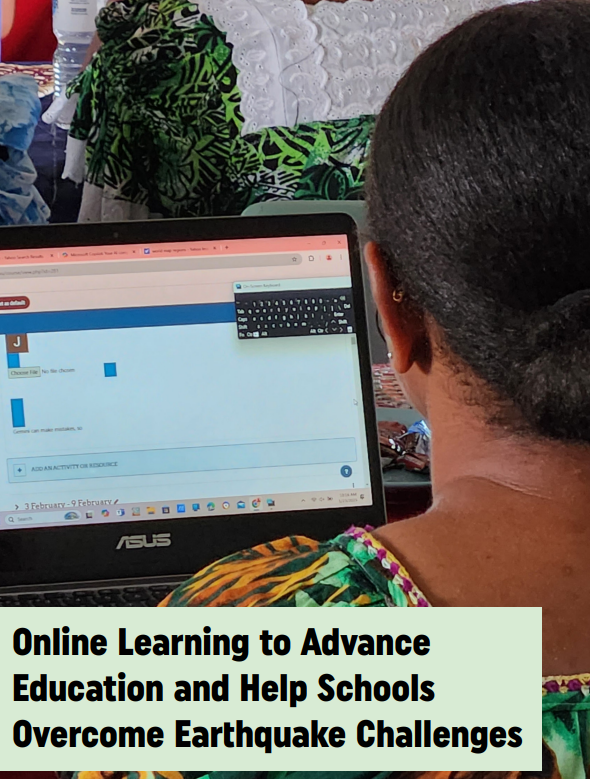
- Innovative Teaching Methods: Embracing technology and new teaching methods can enhance the learning experience, especially in remote areas.
- Government Initiatives: Continued government commitment to improving education policy and funding can lead to tangible benefits for the school system.
The Future of Education in Vanuatu
The future of education in Vanuatu will depend on the collective efforts of the government, communities, teachers, and international partners. By addressing current challenges and leveraging available opportunities, Vanuatu can develop a robust school system that provides quality education to all children. Investing in education is crucial not only for the individual growth of students but also for the overall development of the nation.
Conclusion
In conclusion, the Vanuatu school system has made significant strides in recent years, but challenges remain. By focusing on improving infrastructure, providing adequate teacher training, and fostering community engagement, Vanuatu can enhance its education system and ensure that all children have access to quality education. The importance of education in creating a bright future for Vanuatu cannot be overstated, and it is essential that all stakeholders work together to achieve this goal.